

Essential Advice on Navigating OFAC Regulations to Avoid Violations
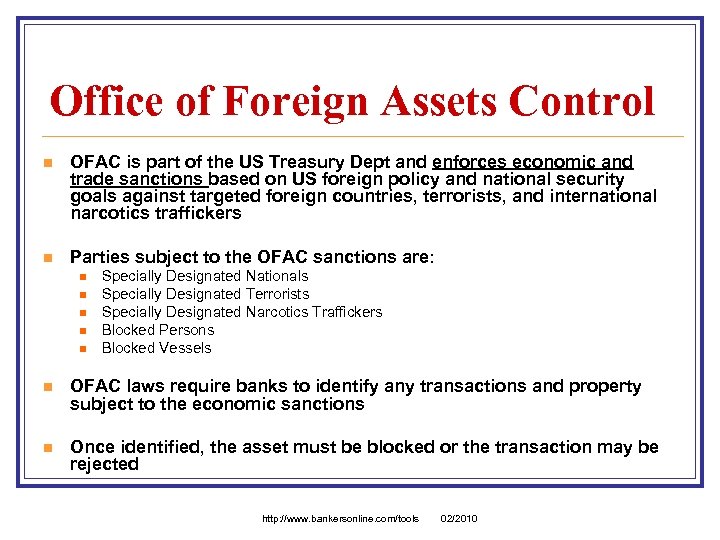
Understanding and adhering to the Office of Foreign Assets Control (OFAC) regulations can be daunting for many businesses, especially those operating in an increasingly globalized economy. The OFAC is responsible for implementing and enforcing economic and trade sanctions against targeted foreign countries and regimes, terrorists, international narcotics traffickers, and other threats to U.S. national security, foreign policy, or economy. One essential piece of advice on OFAC-related issues is to stay informed and compliant with all regulations, as violations can lead to significant penalties. For comprehensive guidance, check out this advice on OFAC-related issues.
Understanding OFAC Regulations
OFAC enforces a range of economic sanctions based on U.S. foreign policy and national security goals. These sanctions can target countries, individuals, and entities involved in unlawful activities. Therefore, it is essential for businesses to understand which sanctions apply to them and how to implement appropriate compliance measures. Companies must regularly review updates to OFAC’s Specially Designated Nationals and Blocked Persons List (SDN List), as well as additional sanctions announced by the agency. Failing to do so could result in inadvertently engaging with sanctioned parties, leading to severe legal consequences.
Conducting Risk Assessments
A key aspect of OFAC compliance is conducting regular risk assessments to identify potential vulnerabilities in your operations. Evaluate your company’s exposure to sanctioned countries and individuals, especially if you operate internationally or engage in transactions that cross borders. This involves understanding the nature of your business relationships and assessing the risk of violating OFAC regulations. Remember, risk assessments should not be a one-time activity but a continual process, especially in a rapidly changing global landscape.
Implementing Compliance Programs
To effectively mitigate risks associated with OFAC regulations, businesses should establish comprehensive compliance programs. These programs should include:
- Clear policies and procedures outlining compliance obligations.
- Regular training for employees to familiarize them with OFAC regulations and company policies.
- Robust screening processes for customers, partners, and vendors against the SDN List and other relevant sanctions lists.
- A clear reporting mechanism for potential violations or concerns.
- Regular audits of compliance measures to ensure effectiveness.
A well-structured compliance program can significantly reduce the likelihood of violations and create a culture of compliance within your organization.
Employee Training and Awareness
Investing in employee training is vital for ensuring that all staff members understand the importance of OFAC compliance. Training programs should cover the fundamentals of OFAC regulations, the implications of violating these sanctions, and the procedures in place within the company to handle compliance. Furthermore, ongoing training sessions can keep employees updated about any changes in regulations, thereby fostering a proactive compliance culture.
Using Technology for Enhanced Compliance
Technology can play a crucial role in helping businesses manage and monitor compliance with OFAC regulations. Numerous compliance software solutions are available that provide automated screening against sanctions lists, allowing for real-time assessment of business relationships. Such technologies can significantly streamline the compliance process, reduce human error, and provide peace of mind through comprehensive record-keeping for audits.
Documenting Compliance Efforts
Maintaining thorough documentation of all compliance efforts is crucial should your business come under scrutiny from regulatory agencies. Keep accurate records of risk assessments, employee training, screening reports, and due diligence
processes. Documenting your compliance measures demonstrates to regulatory bodies that your organization prioritizes OFAC compliance and is committed to mitigating potential violations.
Engaging Legal Counsel
Given the complexities of OFAC regulations, businesses should consider engaging legal counsel with expertise in international trade and sanctions law. Counsel can provide valuable guidance in navigating specific regulatory challenges, ensuring your business’s practices are in line with OFAC requirements. Additionally, legal experts can assist in preparing and managing compliance programs, training, and documentation efforts.
Responding to a Potential Violation
If you suspect a violation has occurred, it is essential to take immediate action. This may include:
- Conducting a thorough internal investigation to understand the circumstances of the violation.
- Documenting all findings and creating a report detailing the actions taken.
- Consulting with legal counsel to determine the appropriate course of action.
- If necessary, self-disclosing the violation to OFAC. Depending on the circumstances, self-disclosure may mitigate potential penalties.
Conclusion
Compliance with OFAC regulations is vital for businesses operating in today’s global marketplace. Understanding the complexities of these regulations, conducting thorough risk assessments, implementing robust compliance programs, and establishing a culture of compliance within your organization are essential steps to avoid violations and penalties. Ensure your efforts are well-documented and consider the benefits of engaging legal counsel to help navigate this challenging landscape. By staying informed and proactive, your business can effectively manage OFAC-related issues and contribute to national security and foreign policy objectives.
