
Understanding Burma Sanctions: Key Legal Considerations and Compliance
As the geopolitical landscape evolves, guidance on Burma sanctions has become increasingly crucial for businesses and individuals engaged in activities related to Burma. The imposition of sanctions is often a response to political events, human rights violations, and threats to international peace and security, making it imperative to stay informed of current regulations.
Overview of Sanctions on Burma
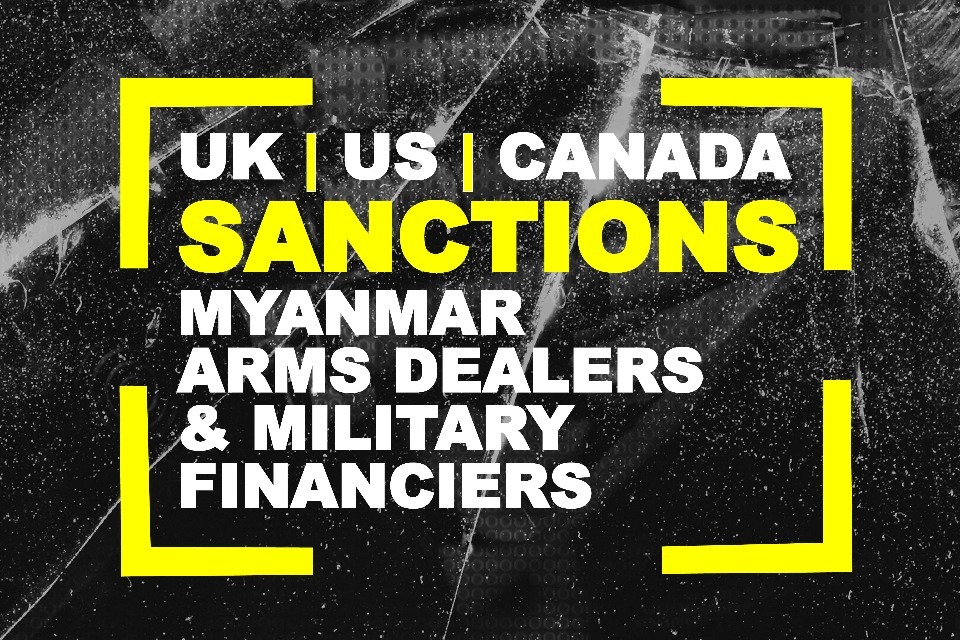
Burma (Myanmar) has faced a series of sanctions from various countries, notably the United States and the European Union, in response to military rule, ongoing conflicts, and significant human rights abuses. These sanctions are intended to pressure the military government to restore democracy and improve human rights conditions.
Types of Sanctions Imposed
Sanctions can take various forms, including:
- Economic Sanctions: Restrictions on financial transactions and trade activities with specific entities or individuals.
- Travel Bans: Prohibitions on entry for certain individuals associated with the military regime.
- Asset Freezes: The freezing of assets held by designated individuals or organizations linked to the government.
Legal Framework Governing Sanctions
Sanctions are typically governed by both international law and domestic legislation. In the United States, for instance, the Office of Foreign Assets Control (OFAC) enforces sanctions through the Burmese Sanctions Regulations. Similarly, the European Union has its own set of regulations aimed at restricting trade and financial dealings with Burma.
Compliance Obligations for Individuals and Businesses
Understanding and adhering to sanction laws is necessary for businesses and individuals engaging in any form of activity with Burma. Compliance obligations can include:
- Conducting Due Diligence: Entities must thoroughly research their partners, suppliers, and clients to ensure they are not engaging with sanctioned individuals or organizations.
- Transaction Screening: All financial transactions must be screened against sanction lists to prevent prohibited dealings.
- Reporting Requirements: In the event of an inadvertent breach, organizations must report the violation to relevant authorities promptly.
Challenges to Compliance
Complying with sanctions can present various challenges. The complexity of international regulations, coupled with frequent updates to sanctions lists and perceptions of risks, makes it difficult for organizations to navigate legal landscapes. Additionally, the dynamic nature of Burma’s political situation can further complicate compliance efforts.


Impact on Business Operations
The implications of sanctions on business operations in Burma are significant. Companies must be aware of the potential for reputational damage associated with non-compliance. Furthermore, sanctions can disrupt supply chains, limit market opportunities, and lead to financial penalties for firms that fail to adhere to regulations.
Best Practices for Navigating Burma Sanctions
To mitigate risks associated with sanctions, organizations should consider the following best practices:
- Developing a Compliance Program: Establish a robust compliance program that includes policies, procedures, and training for employees regarding sanctions compliance.
- Regularly Updating Policies: Keep abreast of changes in sanctions regulations and adjust internal policies accordingly.
- Engaging Legal Expertise: Consult with legal professionals who specialize in sanctions law to ensure that all activities align with current regulations.
Conclusion
Burma sanctions represent a complex web of legal obligations that can impact a wide range of individuals and organizations. Staying informed about the regulatory environment and implementing diligent compliance measures is essential for mitigating risks associated with sanctions. As the situation in Burma continues to evolve, ongoing vigilance and proactive engagement with legal counsel are critical for successful navigation of these challenging waters.
